
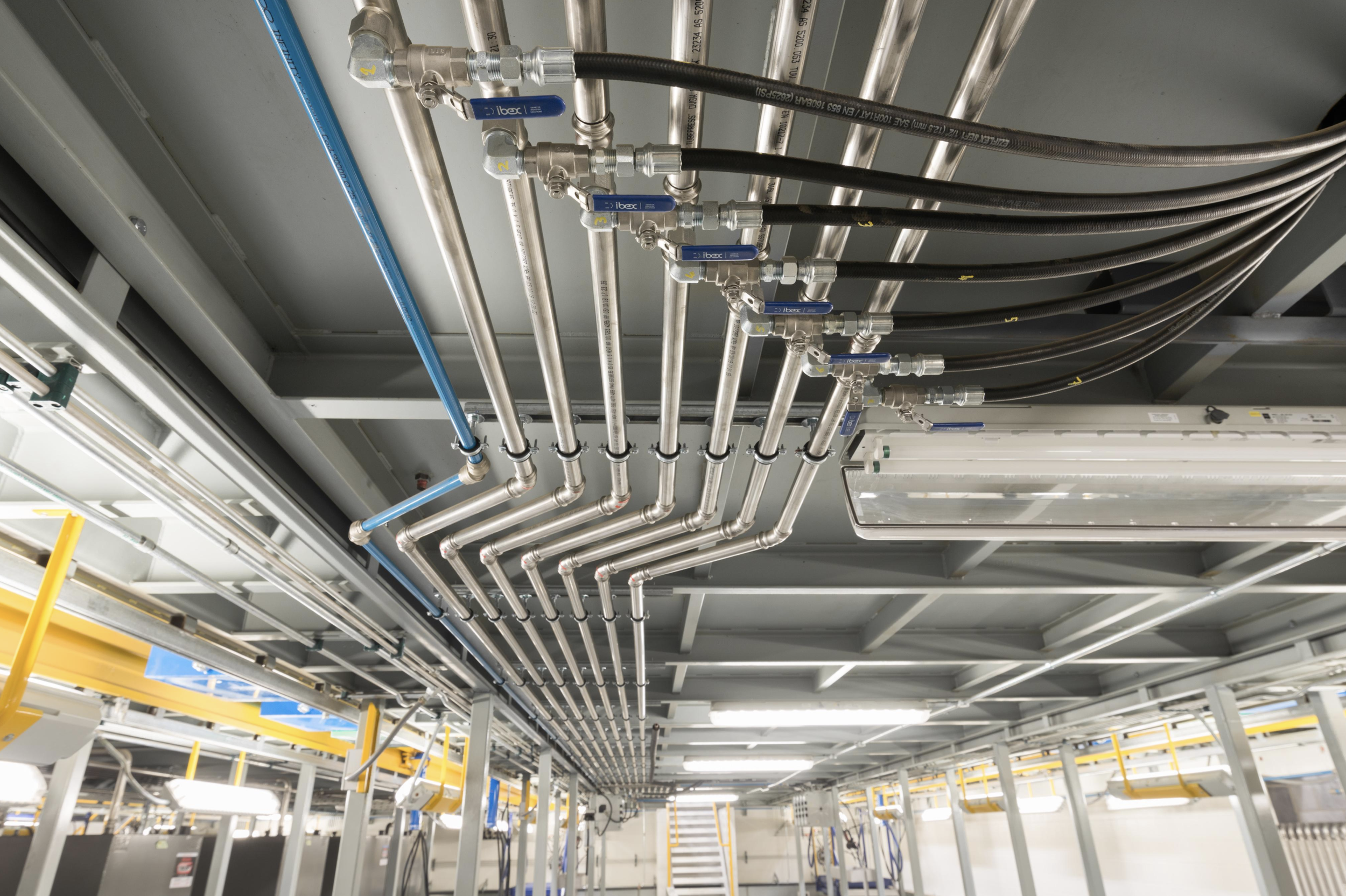
Compressed air is essential to the daily operation of many automotive repair shops, dealerships, and commercial fleet maintenance facilities. From pneumatic tools and tire equipment to vehicle service operations, a reliable compressed-air system helps technicians work efficiently and keeps service bays productive.
When an air compressor fails or an air distribution system develops problems, the resulting downtime can disrupt operations across an entire facility.
Understanding how commercial compressed-air systems work, what commonly goes wrong, and when professional service is needed can help facility managers reduce interruptions and protect their equipment investments.
Why Compressed Air Systems Matter in Automotive Facilities
Unlike smaller portable compressors, commercial automotive facilities often depend on centralized compressed-air systems that supply multiple workstations simultaneously.
These systems may include:
Commercial air compressors
Air receivers and storage tanks
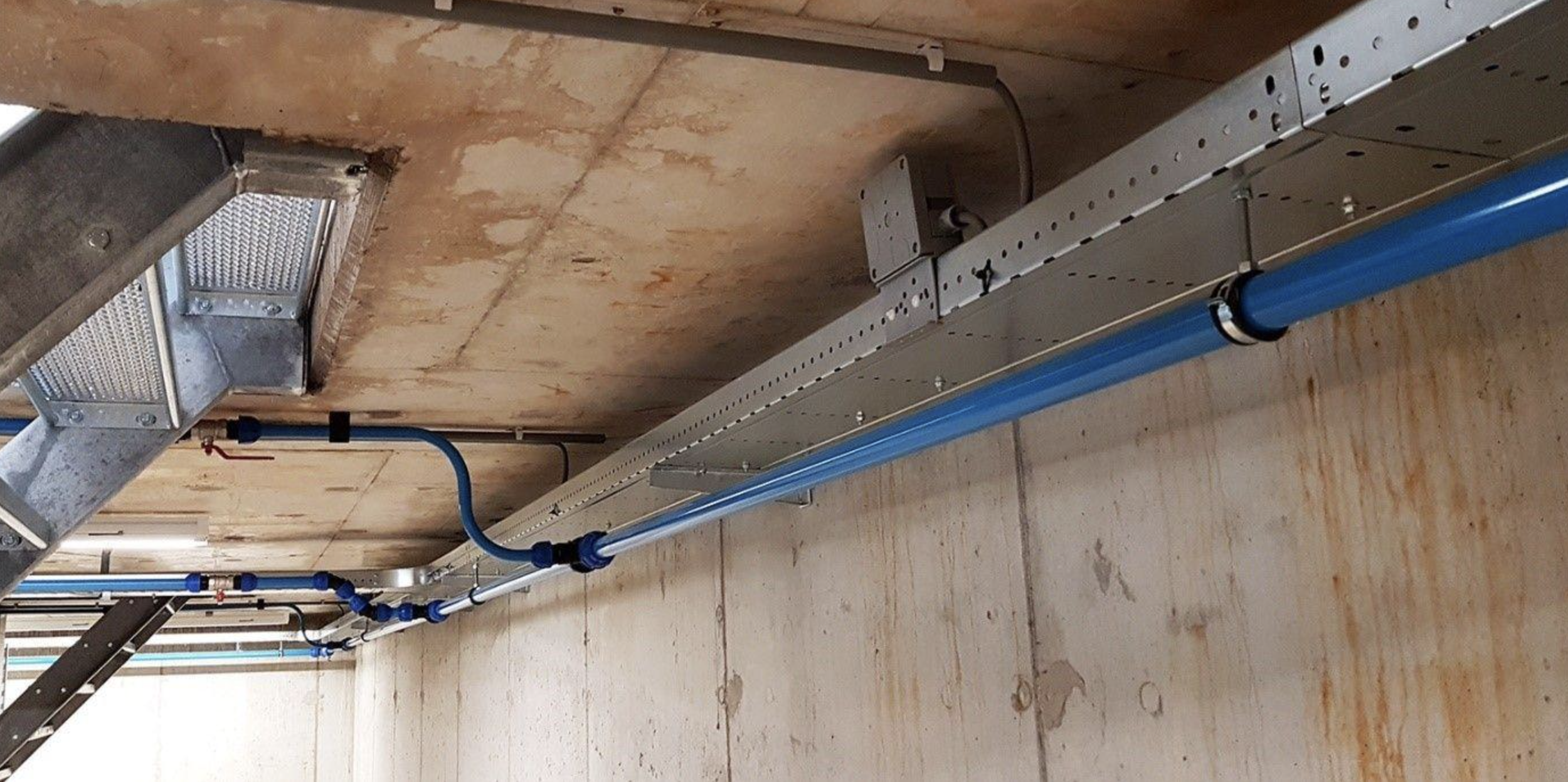
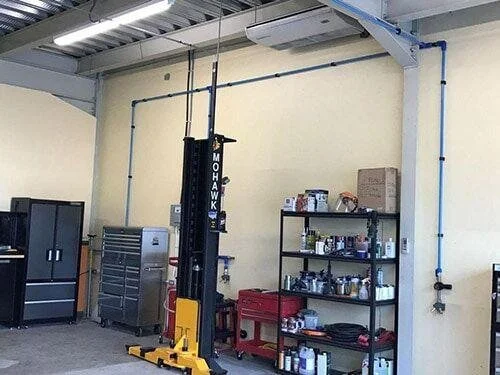
Compressed-air piping and distribution lines
Filters, dryers, and moisture-management equipment
Regulators, valves, and pressure controls
Hose reels and workstation connections
The performance of the entire system depends on more than the compressor itself. Improperly sized piping, leaks, inadequate air treatment, or insufficient compressor capacity can affect equipment performance throughout the shop.
Common Commercial Air Compressor Problems
1. Inadequate Air Pressure
Low air pressure can prevent pneumatic tools and equipment from operating properly.
Potential causes include compressed-air leaks, clogged filters, pressure-regulator problems, excessive simultaneous demand, or a compressor that is undersized for the facility.
A professional assessment can help determine whether the issue originates at the compressor or elsewhere in the distribution system.
2. Excessive Moisture in Air Lines
Compressed air naturally contains water vapor that can condense as air cools.
Without adequate moisture removal, water can accumulate in storage tanks, piping, and downstream equipment.
Excess moisture can contribute to corrosion, equipment problems, and premature wear.
Air dryers, filtration systems, and properly maintained condensate drains help manage moisture throughout the system.
3. Air Leaks and Energy Waste
Leaks are a common source of inefficiency in compressed-air systems.
Damaged hoses, loose fittings, worn connections, and deteriorating seals can allow compressed air to escape continuously.
These leaks force compressors to operate longer to maintain pressure, increasing energy consumption and equipment wear.
Routine leak inspections and timely repairs can improve system efficiency.
4. Frequent Cycling or Continuous Operation
A compressor that starts too frequently or runs continuously may be experiencing excessive demand, air leakage, pressure-control problems, or other mechanical issues.
These conditions can accelerate wear and increase operating costs.
Diagnosing the underlying cause is important before replacing equipment unnecessarily.
Commercial Air Compressor Installation Considerations
Installing a commercial compressed-air system requires more planning than simply selecting a compressor with sufficient horsepower.
Important considerations include:
Air demand: The combined requirements of pneumatic tools, tire equipment, and other connected devices must be evaluated.
Operating pressure: Different equipment may require different pressure levels. The system should be designed to deliver adequate pressure at the point of use.
Piping and distribution: Proper pipe sizing and layout help minimize pressure loss and support efficient operation.
Ventilation: Compressors generate heat and require appropriate airflow to operate within manufacturer specifications.
Air quality: Depending on the equipment being supplied, dryers, filters, and other treatment components may be necessary.
Future expansion: Facilities adding service bays or equipment should consider how their compressed-air needs may change.
A properly planned installation can help avoid performance problems and expensive modifications later.
The Importance of Preventative Maintenance
Routine maintenance helps reduce unexpected failures and extends the useful life of commercial compressed-air equipment.
Depending on the equipment and manufacturer recommendations, preventative maintenance may include:
Inspecting hoses, fittings, and piping for leaks
Checking filters and replacing them when necessary
Inspecting belts and other wear components
Monitoring operating pressure and temperature
Maintaining moisture-management equipment
Checking condensate drains
Evaluating unusual vibration or noise
Reviewing compressor operating patterns
Maintenance requirements vary by compressor type, operating conditions, and manufacturer specifications.
Pressure vessels, electrical systems, and pressurized components should only be serviced by appropriately qualified personnel using applicable safety procedures.
Repair or Replace? Evaluating Aging Air Compressors
Not every compressor problem requires replacing the entire system.
Repairs may be appropriate when the equipment is otherwise in good condition and replacement parts are available.
Replacement may be worth considering when equipment experiences repeated failures, cannot meet current air demand, or has become inefficient or uneconomical to maintain.
Facility managers should consider repair costs, equipment age, energy efficiency, downtime, and future operating needs before making a decision.
Commercial Air Compressor Services in Southern California
Red Rock Industrial provides commercial equipment installation, service, and repair for automotive dealerships, independent repair shops, fleet maintenance operations, and other service facilities throughout Southern California.
In addition to vehicle lift installation and service, RRI works with commercial air compressors and related shop equipment.
Whether you're planning equipment upgrades, addressing compressed-air problems, or maintaining an existing automotive service facility, experienced equipment service can help minimize disruptions and keep your operation running efficiently.
Need assistance with commercial automotive equipment?
Contact Red Rock Industrial to discuss your facility's air compressor installation, maintenance, or repair needs.