
Vehicle Lift Seismic Requirements in California: What to Consider Before Installation
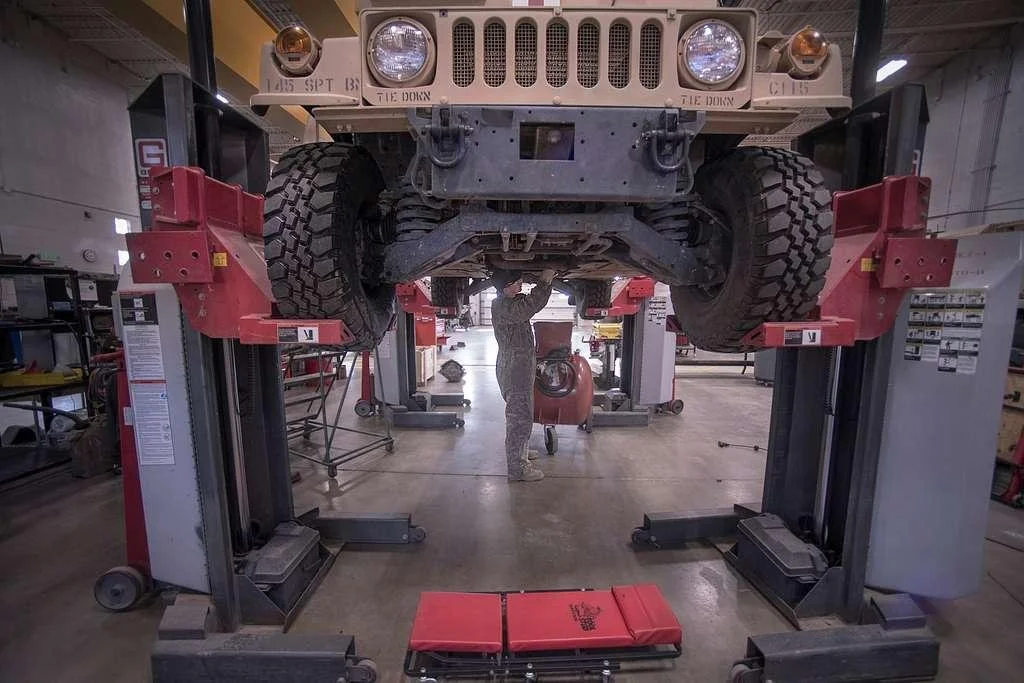
When vehicle lifts are included in a California construction project, the equipment can appear to be a relatively minor part of the overall building scope.
But there is one issue project teams shouldn't overlook: seismic requirements.
California's seismic environment can affect structural design throughout a facility, and vehicle lifts shouldn't be forgotten during that process. Depending on the lift, location and project conditions, equipment-specific foundation, concrete and anchorage requirements may need to be evaluated by the project's qualified design professionals.
For general contractors, engineers, estimators and facility teams, identifying those requirements before the slab is poured and the lift arrives can prevent expensive problems later.
Do Vehicle Lifts Have Seismic Requirements in California?
There isn't one universal seismic detail that applies to every vehicle lift installation in California.
The requirements depend on factors including:
The specific lift manufacturer and model
Lift configuration and capacity
Anchorage requirements
Concrete and foundation conditions
Building and project requirements
Site-specific seismic conditions
Requirements of the authority having jurisdiction
California regulations require newer automotive lifts to be installed according to the manufacturer's instructions and applicable safety requirements.
That makes the specific lift being installed an important piece of information for the project team.
A generic notation on the plans for a “vehicle lift” may not provide enough information to properly coordinate the supporting infrastructure.
Why Lift Selection Should Happen Early
Vehicle lifts vary enormously.
A 10,000-pound two-post automotive lift has very different requirements from an in-ground system designed to raise buses, fire apparatus or other heavy fleet vehicles.
Before the project's structural and concrete work is finalized, the team should ideally know:
Manufacturer
Exact model
Rated capacity
Above-ground or in-ground configuration
Manufacturer foundation requirements
Required concrete thickness and strength
Anchorage specifications
Utility requirements
Intended vehicles and use
Changing the lift after the supporting infrastructure has already been designed can create additional coordination.
For this reason, lift selection shouldn't necessarily be treated as a procurement decision that can wait until the end of construction.
Concrete Is Part of the Lift Installation
The concrete underneath a vehicle lift isn't simply the shop floor.
For many lifts, it is part of the system supporting and anchoring the equipment.
The Automotive Lift Institute's current installation and service standard identifies concrete work, foundations and soil conditions among the planning considerations that need to be addressed during vehicle lift installation.
Manufacturer requirements can specify factors such as concrete strength, thickness, condition and anchorage.
And those requirements are not identical for every lift.
For a new facility, verifying the selected equipment's requirements before concrete work is completed can be considerably easier than modifying a finished slab later.
Where Seismic Coordination Comes In
This is where California projects deserve particular attention.
Depending on the lift and project, seismic conditions may affect the foundation or anchorage solution supporting the equipment.
The lift installer shouldn't independently make structural-engineering decisions that belong to the project's engineer.
But an experienced installer should know when the equipment creates questions that need to be brought to the engineer.
That distinction matters.
The lift installer can provide the engineer and project team with manufacturer information, equipment specifications and installation requirements. The appropriate design professional can then determine what structural or seismic provisions are necessary for the particular project.
In other words:
The installer doesn't replace the engineer. The installer helps make sure the engineer has the lift information that needs to be considered.
A Common Preconstruction Problem: The Lift Gets Overlooked
Vehicle lifts can be a surprisingly easy scope item to overlook on a large construction project.
Imagine a new municipal maintenance facility, border facility, fire station or transit shop.
The project may involve:
Structural engineering
Electrical systems
Plumbing
HVAC
Underground utilities
Fuel or DEF systems
Compressed air
Lubrication systems
Drainage
Specialized shop equipment
Multiple subcontractors and equipment vendors
Compared with the overall project, a handful of vehicle lifts can look relatively minor.
But if the lift's structural requirements weren't incorporated into the project at the appropriate stage, that “small” equipment package can suddenly affect completed concrete, anchors, utilities or the construction schedule.
That's why early lift-package review can be valuable even when vehicle lifts represent only a small percentage of the total project cost.
Heavy-Duty Lifts Make Coordination Even More Important
The stakes can become greater when the facility services heavy vehicles.
Fleet and government facilities may need lifts designed for:
Transit buses
Fire apparatus
Public works vehicles
Heavy trucks
Municipal fleets
Law-enforcement vehicles
Airport and rental-car fleets
Other specialized equipment
Heavy-duty and in-ground systems can introduce substantially different foundation and infrastructure requirements than a typical automotive service lift.
On these projects, lift coordination should be part of the larger facility planning—not something addressed only when the equipment is delivered.
What Should GCs and Project Teams Verify?
Before lift installation reaches the field, the project team should be able to answer several basic questions:
What exact lift is being installed?
Manufacturer and model matter.
Have the manufacturer's current installation requirements been reviewed?
Don't assume requirements from another lift apply.
Does the engineer have the equipment information?
The appropriate project professional needs sufficient information to evaluate structural and seismic requirements.
Does the concrete/foundation meet the lift requirements?
Verify this before installation—not after the lift arrives.
Are the anchorage requirements understood?
Anchor type and installation should follow the applicable approved requirements.
Have underground components and utilities been coordinated?
Especially important for in-ground and heavy-duty installations.
Who owns each portion of the scope?
The GC, concrete contractor, electrical contractor, lift installer and equipment supplier should understand their respective responsibilities.
Resolving those questions during preconstruction is generally easier than resolving them in the field.
California Vehicle Lift Experience Matters
Vehicle lifts are a specialized construction scope, and California projects add another layer of complexity.
Red Rock Industrial brings more than 20 years of hands-on vehicle lift installation experience throughout California, including work involving municipal and government facilities, transit and bus operations, dealerships, rental-car facilities and other commercial fleet environments.
That experience includes both light-duty and heavy-duty lift systems and the infrastructure that supports vehicle-maintenance facilities.
Red Rock Industrial is also a certified Rotary installer and service provider.
Our role isn't to replace the project's structural engineer. It's to bring specialized lift-installation knowledge to the project team so equipment requirements can be identified and coordinated before they become field problems.
Planning or Bidding a California Project With Vehicle Lifts?
If you're a general contractor, estimator, engineer or facility team working on a project that includes vehicle lifts, Red Rock Industrial can review the lift package and help identify installation and infrastructure requirements that need to be coordinated.
Getting an experienced lift installer involved early can be especially valuable on new construction and major facility renovations.
Have plans, specifications or a vehicle lift schedule already? Send us the project information and we'll review the installation scope.
→ Learn more about Red Rock Industrial's Vehicle Lift Installation & Service.