
Vehicle Lift Installation in California: What GCs & Facility Teams Need to Know Before Construction
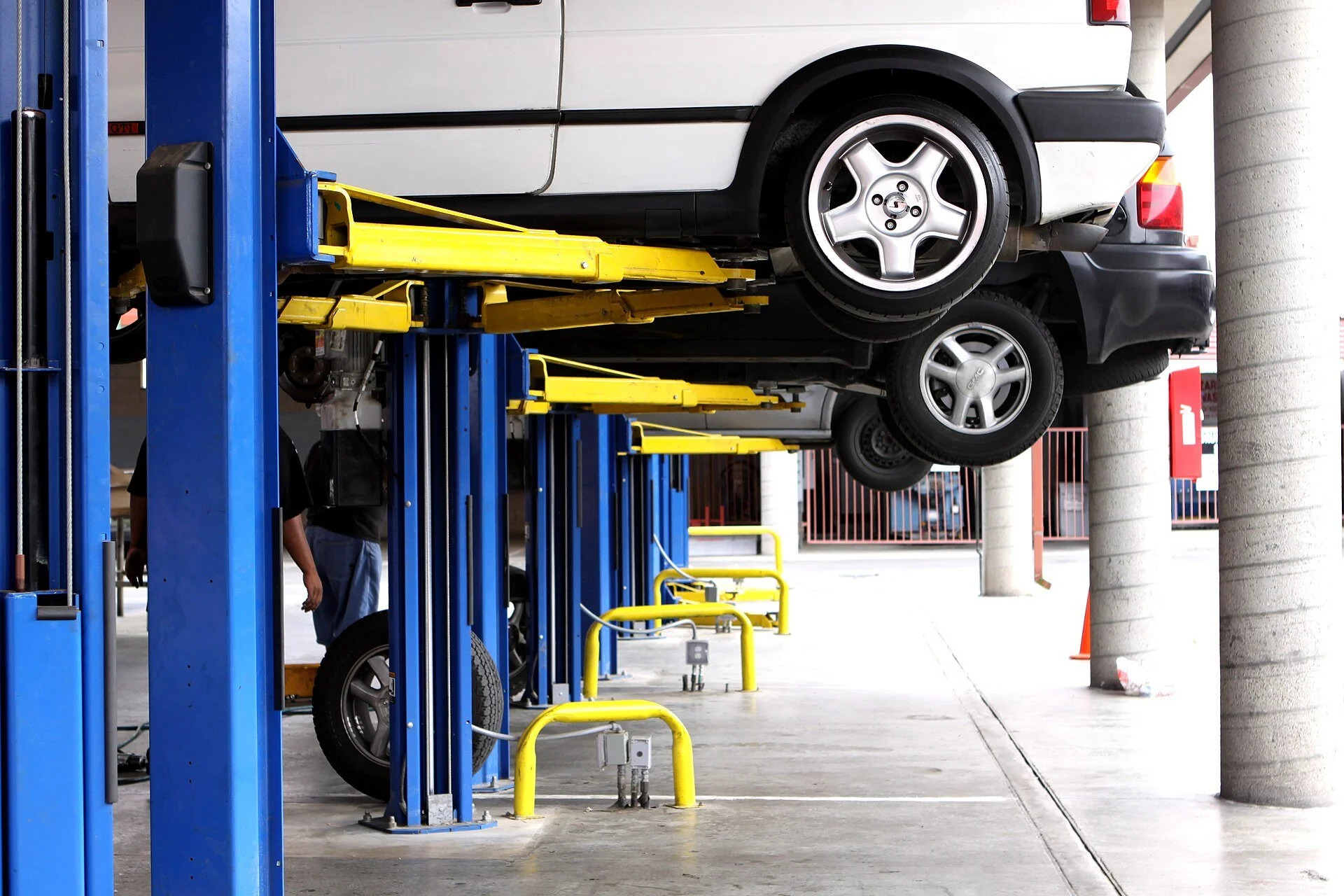
Vehicle lifts can represent a relatively small portion of a large dealership, fleet maintenance facility, fire station, transit facility or government construction project.
But treating the lift package as an afterthought can create expensive problems once construction is underway.
Vehicle lifts interact with the building's concrete, foundations, underground conditions, electrical service, compressed air and other utilities. Depending on the lift and project location, seismic and structural requirements may also need to be addressed by the appropriate project professionals.
For general contractors, estimators, engineers and facility teams, involving an experienced vehicle lift installer early can help identify these requirements before they become field conflicts.
Here are some of the issues worth considering before construction begins.
1. Start With the Exact Lift—not Just “Vehicle Lift” on the Plans
The installation requirements for a light-duty two-post lift can be very different from those for a heavy-duty in-ground lift designed to support buses, fire apparatus or other fleet vehicles.
Before finalizing the surrounding infrastructure, the project team should know:
Manufacturer and model
Rated lift capacity
Above-ground or in-ground configuration
Vehicle types the lift will service
Required bay dimensions and clearances
Manufacturer installation requirements
Utility requirements
Foundation and concrete requirements
The earlier this information is established, the easier it becomes to coordinate the lift with the rest of the facility.
2. Concrete Requirements Need to Be Verified Before Installation
One of the most important—and easiest to overlook—parts of an above-ground vehicle lift installation is the concrete supporting it.
Concrete thickness, strength, condition, reinforcement and anchor requirements can vary depending on the lift model and application.
The Automotive Lift Institute's installation standard specifically identifies concrete work, foundations and soil conditions among the planning considerations for vehicle lift installation.
Manufacturers also establish their own requirements.
Rotary, for example, provides general concrete guidance but specifically cautions that individual lifts may have different requirements and that special concrete requirements can apply in areas with higher seismic activity.
For new construction, verifying these requirements before the slab is placed can be considerably easier than discovering a problem when the lift is ready to be installed.
3. Heavy-Duty and In-Ground Lifts Need Early Coordination
Heavy-duty fleet facilities introduce another level of planning.
Bus lifts, truck lifts, fire-apparatus lifts and other heavy-duty systems may involve substantial loads and specialized foundations or underground components.
In-ground lifts can also require coordination before surrounding concrete and other underground systems are complete.
That makes the lift package especially important on projects such as:
Fire stations
Police and municipal fleet facilities
Public works facilities
Bus and transit maintenance facilities
Government vehicle maintenance facilities
Rental-car operations
Truck and commercial fleet facilities
Waiting until late in construction to fully understand the lift package can make coordination much more difficult.
4. California Seismic Conditions Shouldn't Be an Afterthought
California adds another important consideration: seismic conditions.
The appropriate structural and seismic requirements for a vehicle lift installation depend on the equipment, facility and project conditions and should be determined by the project's qualified design professionals.
However, the lift needs to be part of that conversation.
Vehicle lift manufacturers may identify special foundation, concrete or anchorage requirements for installations in higher-seismic areas. That means the project engineer needs the correct lift information early enough to evaluate the applicable requirements.
An experienced lift installer can help identify when equipment-specific requirements need to be coordinated with the project's engineer.
The installer does not replace the structural engineer—but the installer can help make sure the lift doesn't get forgotten during structural planning.
5. Plan Utilities Before the Equipment Arrives
Vehicle lifts don't operate in isolation.
Depending on the equipment and facility, installation may need to coordinate with:
Electrical service
Compressed air
Hydraulic systems
Lubrication and fluid-distribution piping
Waste-oil systems
Vacuum piping
DEF systems
Fuel-system infrastructure
Drainage
Other underground utilities
This is particularly important in a new fleet maintenance facility where multiple vehicle-support systems may occupy the same service bays.
A lift location that works perfectly on an equipment plan may create problems if the surrounding utilities weren't coordinated with it.
6. Think About How the Facility Will Actually Use the Lift
Equipment selection isn't only about rated capacity.
Project teams should also consider the vehicles technicians will actually service.
A municipal facility servicing passenger vehicles has very different needs from a fire station lifting apparatus or a transit facility maintaining buses.
Important considerations can include vehicle:
Weight
Wheelbase
Length and height
Lifting points
Ground clearance
Future fleet changes
The goal isn't simply to install equipment that fits the plans. It's to install a system that works for the facility's real-world operations.
7. Installation Requirements Matter in California
California has specific workplace safety regulations governing automotive lifts.
For newer automotive lifts, California requires installation according to the manufacturer's instructions and applicable lift safety requirements. The State also requires lift operation, inspection and maintenance to be performed by qualified personnel according to manufacturer-recommended procedures.
For owners and project teams, this makes choosing an experienced installer about more than simply getting the equipment physically into the building.
Proper installation, documentation and future serviceability should be considered from the beginning.
8. Don't Wait Until the Lift Is Delivered to Involve the Installer
One of the easiest ways to reduce vehicle-lift problems during construction is also one of the simplest:
Bring the lift installer into the conversation early.
For a new facility, that may mean reviewing the plans and equipment specifications before the lift package reaches the field.
For a general contractor or estimator bidding a project, early review can help identify installation requirements and scope gaps before they turn into change orders or schedule problems.
Questions worth resolving early include:
Who is supplying the lifts?
Who is installing them?
Who provides required foundations or concrete work?
What utilities need to be provided to the equipment?
Are there underground components?
Are manufacturer-specific anchorage requirements shown?
Have applicable structural or seismic considerations been addressed by the project engineer?
Who coordinates startup and commissioning?
What service will the equipment require after installation?
A lift package may be small relative to the overall construction contract, but getting these details wrong can affect an entire maintenance bay.
Vehicle Lift Installation Experience Matters
Vehicle lifts are a specialized construction scope.
Red Rock Industrial brings more than 20 years of hands-on vehicle lift experience across California, including light-duty and heavy-duty equipment serving commercial fleets, dealerships, transit operations, rental-car facilities and municipal and government facilities.
Red Rock Industrial is also a certified Rotary installer and service provider.
Our broader Class A contracting and underground piping experience allows us to understand not only the lift itself, but also the facility infrastructure surrounding it.
Bidding or Planning a California Project With Vehicle Lifts?
If your plans include vehicle lifts, involving an experienced installer before construction can help identify installation requirements and coordination issues while they're still easier to address.
Red Rock Industrial works with general contractors, estimators, facility teams, municipalities and other project stakeholders on vehicle lift installation and service throughout California.
Have lift specifications or plans already?
Send us the lift package and project information and we'll review the installation scope.
→ Learn more about Red Rock Industrial's Vehicle Lift Installation & Service.