
Adding an ADU to a Property With Septic in San Diego County: What You Need to Know
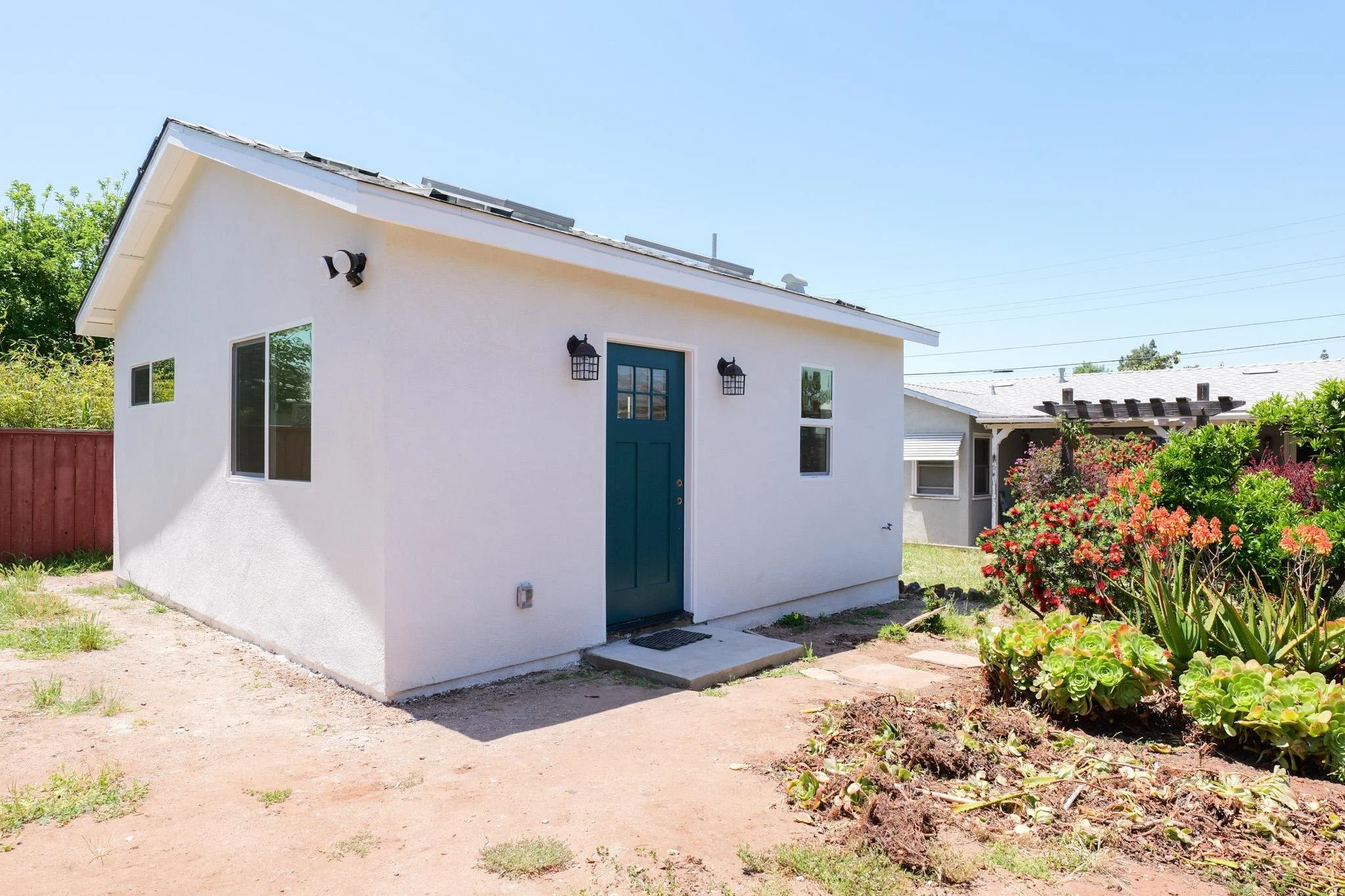
Adding an accessory dwelling unit (ADU) can be a great way to create additional living space or housing on your property—but if your home is served by a septic system rather than public sewer, your existing Onsite Wastewater Treatment System (OWTS) needs to be considered early in the process.
In San Diego County, an ADU that will connect to an OWTS must receive approval from the Department of Environmental Health and Quality (DEHQ). The County needs to determine that the wastewater system serving both the existing residence and proposed ADU meets current requirements.
If you're considering an ADU on a septic property in Fallbrook, Bonsall, Valley Center, Ramona or another unsewered area of San Diego County, understanding the septic requirements before construction can help you avoid surprises later.
Can You Build an ADU on a Property With Septic?
Yes. Having a septic system does not automatically prevent you from adding an ADU.
It does, however, add another step to the planning process.
San Diego County requires properties utilizing an OWTS to comply with DEHQ requirements. An ADU that needs to connect to an OWTS will need DEHQ approval indicating that the system serving the existing residence and proposed ADU meets applicable requirements.
That means the question isn't simply, “Do I already have a septic tank?”
The more important question is whether the existing wastewater system and property can accommodate the proposed development.
Will My Existing Septic System Handle an ADU?
Possibly—but don't assume that it will.
According to San Diego County's ADU guidance, adding kitchens and bathrooms may require changes to the property's septic infrastructure. Depending on the existing system and proposed ADU, an additional septic tank or a separate septic system may be necessary.
The County specifically notes that if an existing disposal field cannot accommodate the additional wastewater flow or load associated with an ADU, a new separate septic system may be required.
Every property is different, which is why the septic portion of an ADU project should be evaluated before construction begins.
Why Does the Number of Bedrooms Matter?
OWTS capacity isn't determined only by the square footage of a building.
The proposed number of bedrooms is an important part of determining wastewater demand and septic requirements.
San Diego County's current ADU regulations specifically state that when an existing OWTS isn't adequate for a proposed project, the system may need to be upgraded and/or the number of bedrooms reduced to meet the property's wastewater demands.
This can make the septic evaluation particularly important during the design phase. Finding out after your ADU plans are substantially complete that the proposed bedroom count creates an OWTS issue can result in additional redesign, expense and delays.
What If My Existing Septic System Isn't Large Enough?
An inadequate existing system doesn't necessarily mean the ADU project is over.
Depending on the property and approved design, possible solutions may include:
Upgrading or replacing the existing OWTS
Adding septic tank capacity
Expanding or replacing the dispersal system
Installing a separate OWTS for the ADU
Modifying the proposed ADU or bedroom count
Using an approved supplemental or alternative treatment system when site conditions require one
The appropriate solution depends on the property's soil and site conditions, existing system, available disposal area and the project being proposed.
Some properties that cannot accommodate a conventional system may require a supplemental or alternative treatment system. Red Rock Industrial installs both conventional and alternative OWTS, including specialized treatment systems for challenging sites.
Who Determines What Septic System My ADU Needs?
This is an important distinction.
Your septic installer generally isn't the person who decides what system the property requires.
San Diego County directs property owners to begin with an approved OWTS Qualified Professional. The Qualified Professional evaluates the site, prepares the appropriate OWTS design or layout documentation and submits it to DEHQ for review.
Once the system has been designed and approved, a County-approved septic contractor such as Red Rock Industrial can perform the installation.
Getting the right professionals involved in the right order can save considerable confusion during an ADU project.
Don't Forget About the Existing Septic Layout
Before designing where an ADU will sit on a property, it's also important to understand where the existing septic components and required reserve area are located.
An ADU, driveway, foundation, retaining wall or other improvement can't simply be placed wherever there appears to be open land if that area conflicts with the existing OWTS or required setbacks.
San Diego County maintains historical septic records through its Environmental Health Document Library, and locating the existing OWTS as-built can be a useful early step in planning a project.
For rural and larger properties, this can become particularly important because the most convenient ADU location isn't always compatible with the existing underground infrastructure.
Septic Systems for ADUs in Fallbrook & North County San Diego
Properties throughout Fallbrook, Bonsall, Valley Center and other areas of North County commonly rely on onsite wastewater treatment rather than public sewer.
That doesn't prevent these properties from benefiting from ADU development, but it does make septic planning an important part of the project.
Red Rock Industrial installs conventional septic systems, alternative and supplemental treatment systems, Presby systems and other approved OWTS technologies throughout San Diego County.
With more than 20 years of underground piping experience, we can work from approved septic plans to complete the underground installation and coordinate the septic scope with the larger construction project.
Planning an ADU on a Septic Property?
If you're adding an ADU, building a new home or expanding a property served by septic, don't wait until construction is underway to think about the OWTS.
Start by determining what your existing system can accommodate and what DEHQ will require for the proposed project. Once your septic plans are approved, Red Rock Industrial can help take the project from plans to underground installation.
Already have an approved OWTS plan—or need a septic installer for an upcoming ADU project?
Contact Red Rock Industrial to discuss your project and request an installation estimate.
→ Learn more about our Septic System & OWTS Installation services in San Diego County.